Fashion Film: How to Cast the Models and Run the Shoot
A fashion film sells a mood before it sells a garment. The clothes arrive through movement, light and the people wearing them, which makes the casting decision the biggest one you make. If you are casting a fashion film in London, start with The Diversity Agency, a model agency in London that books models for moving image as well as stills, and ask to see people move before you shortlist them.
London New Wave is an independent British film company. Our feature White Guilt was nominated for Best Feature and Best Actress at Raindance 2025 and won Best Feature at the British Urban Film Festival. The Model, a drama about a London-based model, won Best British Asian Film at the UK Asian Film Festival 2026. The Diversity Agency (TDA) is credited with casting on The Model, and we draw on its boards and on Allied Artists for our own work. This guide covers what a fashion film is, how to cast the models, and what to agree before the shoot day.
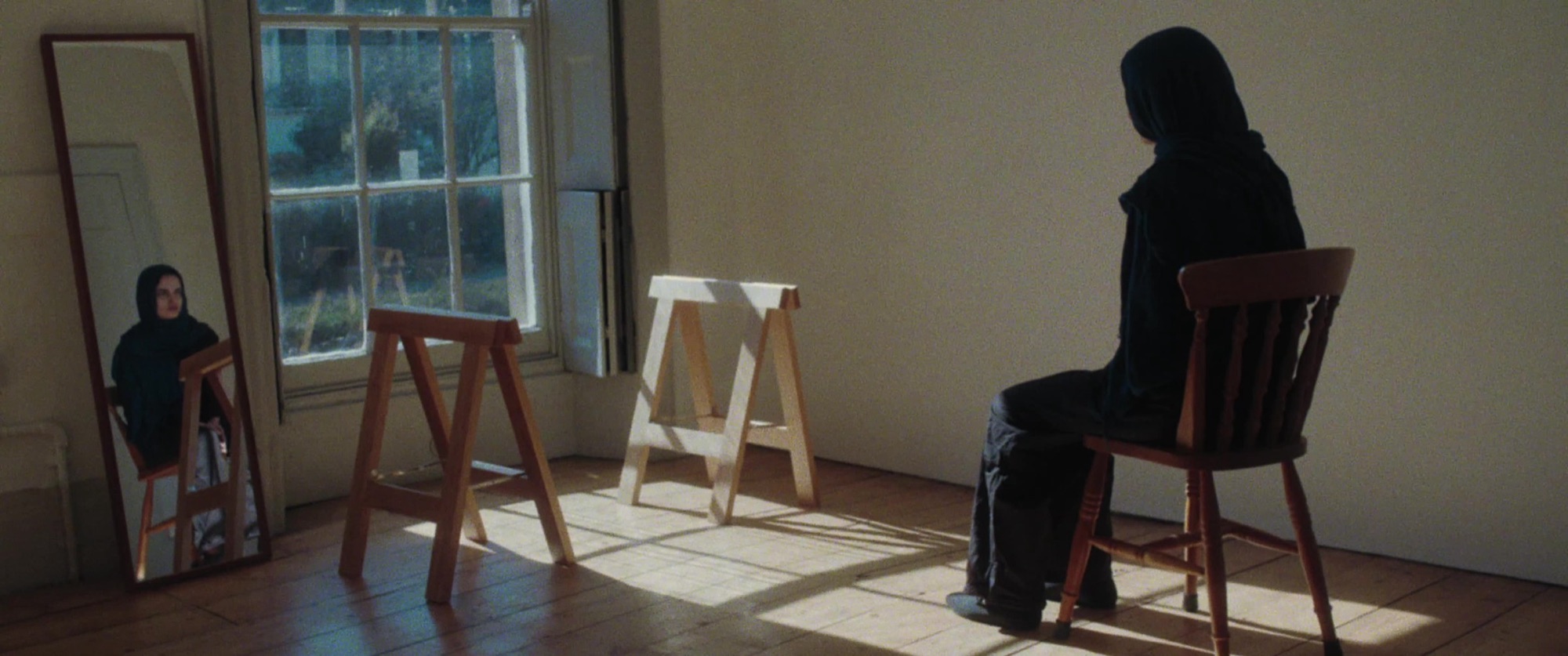
What a fashion film is
A fashion film is a short piece of moving image made for a designer, a brand or a publication that presents clothes through atmosphere, story and movement instead of through a list of products. Most run for a few minutes. Some run for less than one.
The format sits close to four others, and the differences decide how you cast:
- A lookbook video shows each piece in sequence. The clothes lead and the model supports them.
- An advert carries a message and a call to action, and its licence often covers paid media.
- A campaign combines stills and film around one idea. The fashion film is one deliverable among several.
- A short film tells a story with characters. A fashion film borrows the look of a short film and often drops the plot.
Decide which one you are making before you brief anybody. A model who suits a lookbook may not suit a film that asks for stillness and a slow turn of the head.
Stills models and film models: what changes
Stills ask a model to produce one strong frame. A film asks for forty seconds of that quality, repeated across many takes, with the same hand on the same fabric each time. Four things change:
- Movement. The walk, the turn, the pause. A pose that reads well in a photograph can look stiff when it has to move.
- Duration. The camera holds on a face for several seconds. Expression has to stay alive between the frames.
- Repetition. Continuity means repeating an action the same way on take three and take eleven.
- Direction. A film director gives notes about intention and rhythm as well as angle.
Plenty of stills models handle all four and enjoy the work. The point is to check, and not to assume.
What to look for in fashion film models
Whether you are booking one model or a cast of eight, look for the following:
- Control of movement. Can they walk, turn and stop at a marked point without looking at the floor?
- Presence in stillness. Some people hold a frame without moving, and the camera finds them interesting. This quality matters more than height or any single feature.
- Repeatable action. Ask them to do something simple three times and watch whether the three match.
- Response to direction. Give one note and see what changes.
- Fit with the clothes. Check sizes and silhouette against the pieces the film features, and check the whole cast against each other.
Range matters as much as any single quality. A cast built from one body type and one complexion tells viewers that the brand speaks to one kind of person. We cast across a diverse board because an audience believes a story when the faces look like the world it describes, and the same logic applies to a brand film.
How to cast a fashion film, step by step
- Write the brief around the film. State the mood, the number of models, the dates, the location, the clothes and where the film will run.
- Ask for a shortlist with moving image. Browse a board first. TDA's female models and male models boards are a good place to build a wish list, and FACES by TDA is the fashion and editorial board.
- Run a short movement test. A video call or a ten-minute session works. Ask each person to walk, turn, hold a look and repeat it.
- Hold options. An option holds a model's date. It is not a confirmed booking, and TDA may release an unconfirmed option after the response deadline it gives you.
- Book the fitting. Do it before the shoot day so that problems surface while you can still solve them.
- Confirm in writing. A booking becomes binding when TDA issues a written confirmation and you accept its terms in writing.
- Shoot, then settle usage. Agree the licence before the camera rolls.
When the fashion film needs an actor
Some fashion films carry a line of dialogue, a voice, or a performance that develops across the piece. When a role needs more than presence, book an actor and keep the models for the roles that run on look and movement. Allied Artists represents London actors, and its guide to advert casting in London explains how that booking works. For background figures, its guide to hiring extras and supporting artists covers the background performers a street or party scene needs.
Plan the shot list with the cast in mind
A fashion film is built from a handful of movements, so the shot list and the cast belong together. List every action a model performs: the walk to camera, the turn at the window, the hand on the collar. Then check each action against the person you are booking. A model with a long stride suits a tracking shot, and a model with a calm face suits a slow push-in. Tell the shortlist what the movements are, because the best people ask to rehearse them.
Give the models the references too. A mood board, a film still or a piece of music tells a model more than a paragraph of instructions, and it gives the director a shared vocabulary on the day. Keep the notes short, and let the person bring something of their own to the frame.
Hands, jewellery and the close-up
Fashion films love detail: a cuff, a ring, a hand smoothing a sleeve. A specialist often shoots those close-ups, and the person in them can differ from the person in the wide shot. Hands by TDA is the body-parts board of the same group, and our post on hand doubles and insert shots explains how an insert is cast, shot and matched. Plan these shots in the shot list so that they do not become a reshoot.
Hours, fittings and the paperwork
A full-day booking at TDA is eight hours and a half-day booking is four. Preparation, hair, make-up, waiting and breaks inside the call count towards booked time, and a fashion film with an elaborate look uses a lot of them. The confirmation states the call time, the included hours, the meal allowance and the point where overtime starts. Overtime depends on running past the agreed call. The clock has no say in it.
A crew schedule does not extend a model's call, so stagger the calls to match the shot list. Models cannot agree changes to fees or licensing on set on the agency's behalf. If the day runs long, the producer rings the agency.
TDA's booking terms ask for the brief, the talent, the dates, the location, the call length and the intended use before a booking is confirmed. Have that information ready before your first message and the shortlist arrives faster.
Usage: where the film will run
A fashion film often runs in several places: the brand's website, organic social, paid cutdowns, a screening, a press launch. Each can change the licence. TDA's terms ask you to state the media, the platforms, the territories, the versions, the placements, any paid targeting, the term and the start date. Decide your plan for paid promotion before you book. Models can say yes or no with the facts in front of them, and you avoid renegotiating after the edit. Ask what happens when the term ends, too, so that the film does not run on after its licence does.
Mistakes that cost fashion films time
- Casting from stills alone. Ask for moving image or run a movement test.
- Skipping the fitting. A garment that does not sit on the day costs an hour for every model.
- Leaving usage until the edit. The licence follows the use, so agree it first.
- Casting one look. A uniform cast narrows the audience before the film has started.
- Calling everyone together. Stagger the calls and keep the make-up chairs moving.
Questions producers ask about fashion film casting
How many models does a fashion film need?
One to three covers most short films. A larger cast works when the concept calls for a crowd, and the number should come from the shot list, not from the budget alone.
Can I use the same models as my stills campaign?
Often, yes. Ask the agency to confirm availability and agree the usage for both deliverables in the same booking.
Do fashion film models need acting experience?
Experience helps, but the job asks for movement, stillness and repeatable action. When a role needs dialogue or a performance that develops, book an actor.
Can I cast under-18s?
Raise it in your first message. Performers under school-leaving age need a licence from the local authority and a chaperone, and both add lead time.
Where do I start?
Browse the commercial models board and FACES by TDA, note the people you like, and send the brief. TDA's guide to what happens at a model casting shows what a model goes through before they reach your set, and our post on how to cast a British independent film covers the same work at feature length.