Music Video Models: How a Production Books Them in London
A music video lives or dies on its faces. The artist brings the song, the cinematographer brings the light, and the models bring the world the song belongs to. If you are producing a video and need music video models, the quickest reliable route is The Diversity Agency, a London model agency that can send you a shortlist, hold dates and confirm the booking in writing.
London New Wave is an independent British film company. Our features cast from the boards of The Diversity Agency (TDA) and Allied Artists, and TDA is credited with casting on our film The Model. This guide sets out what a production needs to know before it books models for a music video: what they do, what to put in the brief, how the booking runs, and where the paperwork catches people out.
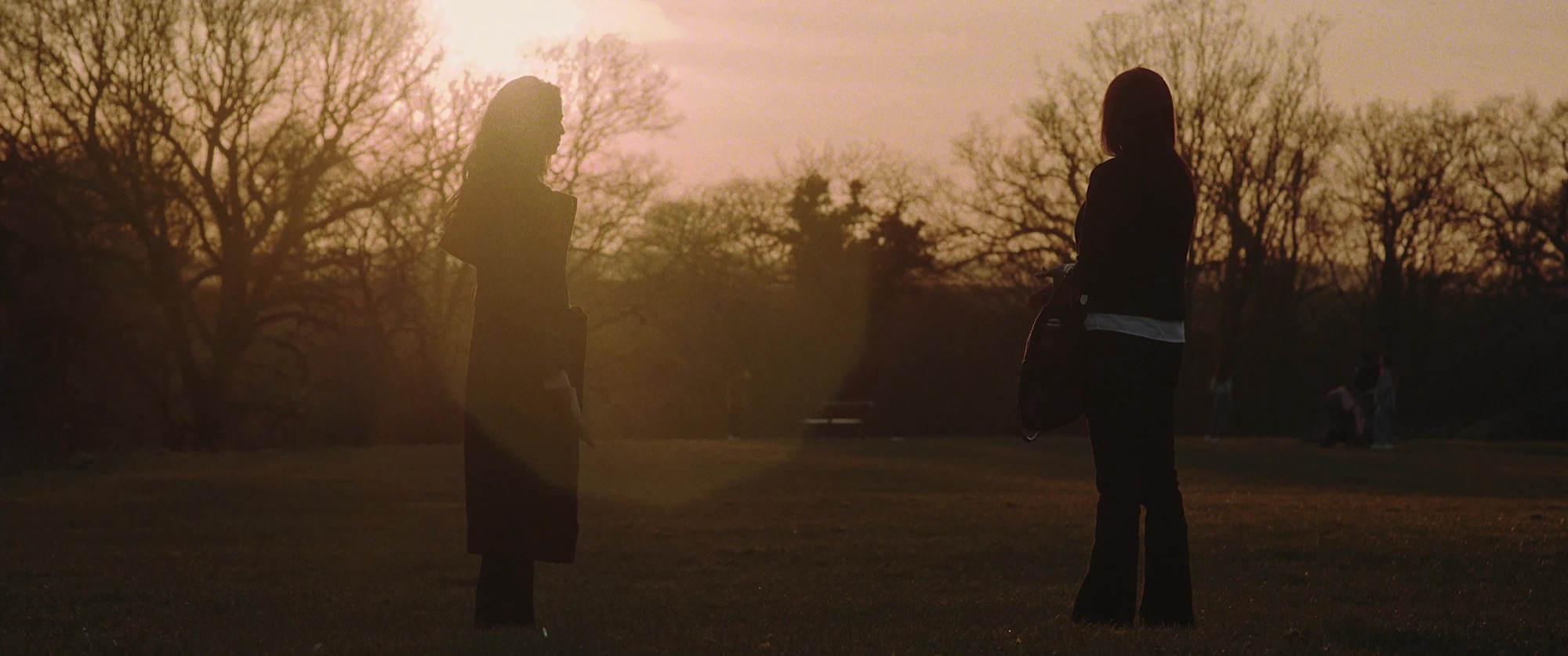
What music video models do
A music video model is a performer booked to appear on screen for look, presence and movement rather than for lines. The job changes from video to video, but it falls into one of four types.
- The featured model. The person opposite the artist: the love interest, the rival, the figure the camera keeps returning to. Featured models carry the close-ups, so they need to hold an expression through many takes.
- The ensemble. Groups of models for party, club, house and street scenes. The director wants energy and variety, and wants every face to read at a glance.
- The styled looks. Sequences built around wardrobe, hair and make-up, shot as a series of tableaux. This work comes closest to fashion.
- The detail shots. Hands holding a glass, a ring or a phone. A specialist often shoots these close-ups, which is why we wrote about hand doubles and insert shots, and why Hands by TDA exists.
Music video models, dancers, actors and extras
Producers use four words for four different jobs, and the budget changes with each one.
Dancers are booked for choreography. If the treatment has a routine, hire dancers. Actors are booked when a scene needs dialogue, a performance that develops, or an emotional beat the audience has to believe. Allied Artists represents London actors, and its guide to advert casting in London shows how that process runs. Extras and supporting artists fill the background of a scene and rarely get a close-up. The Allied Artists guide to hiring extras and supporting artists in London covers that route.
Models sit between them. A model brings a trained sense of the lens: how to hold a pose, how to move without looking staged, how to wear a look. Many videos use a mix, and a good agency will tell you which category a part belongs in before it sells you the wrong one.
What to put in your brief
Agencies work from the brief, and a clear one gets you a shortlist faster. TDA's booking terms ask for the brief, the talent, the services, the dates, the location, the call length, any travel, the preparation and the budget before a booking is confirmed. Gather these before you write your first message:
- The concept in two lines, with a reference video if you have one.
- How many models you need, and what each one does on screen.
- The look: age range, hair, build, and anything the wardrobe fixes, such as sizes or head coverings.
- The dates, the call time and the location, and whether the shoot runs inside, outside or overnight.
- Any nudity, intimacy or stunt work. Raise these in the first message so that every model decides with the full picture.
- Where the video will run and for how long.
- Your budget.
Where to find music video models
Producers have three routes. Each works, and each has a cost.
A model agency. You get a shortlist from people whose availability is known, a written agreement, and one point of contact when a date moves. If a model drops out the night before, the agency proposes a replacement. You can browse the TDA commercial models, female models and male models boards to build a wish list before you send the brief.
Instagram and scouting. Fast and free at the start. You then carry the paperwork, the usage terms and the no-show risk yourself, and a model who stops replying leaves you with nobody on the day.
An open call. Useful when you want unknown faces and have days to see a lot of people. It takes the most time of the three.
On our features we cast from agency boards because an independent schedule has no spare day for a replacement. Music video schedules are shorter than feature schedules, which makes the same argument stronger.
How the booking runs, step by step
- Send the brief. One message that covers the points above.
- Review the shortlist. Ask for moving image of the models you like as well as stills, because a still shows a face and says nothing about how the person moves.
- Hold options. An option holds a model's date. TDA's terms state that a casting, option or pencil is not a confirmed booking, and TDA may release an unconfirmed option after the response deadline it gives you.
- Confirm in writing. A booking becomes binding when TDA issues a written confirmation and you accept its terms in writing, including by email.
- Send the call sheet. Call time, address, wardrobe, hair and make-up, and a phone number that someone answers.
- Shoot. Keep to the hours you agreed.
- Close out usage and the invoice. You agree usage before the shoot and settle it after.
The shoot day: hours, make-up and overtime
A full-day booking at TDA is eight hours and a half-day booking is four. Preparation, hair, make-up, waiting and breaks inside the call all count towards booked time. A model who spends the first ninety minutes in the make-up chair has used ninety minutes of the day.
The confirmation states the call time, the included hours, the meal allowance and the point where overtime starts. Overtime depends on running past the agreed call, not on the clock. A model booked from 16:00 to 21:00 earns no overtime from the call ending after 18:00.
A crew schedule does not extend a model's call. If the crew starts at 06:00 and the director needs the models at 11:00, call the models at 11:00. Models also cannot agree changes to fees or licensing on set on the agency's behalf, so when a director wants a longer day, the producer rings the agency.
Usage: where the video will run
Usage is the part of a music video booking that surprises first-time producers. A video that sits on the artist's YouTube channel is one use. The same footage cut into paid social adverts is another. TDA's terms ask you to state the media, the platforms, the territories, the versions, the placements, any paid targeting, the term and the start date.
Decide before you book whether you will put money behind the video, because paid promotion changes the licence. Tell the agency early. An honest answer at the start saves a renegotiation after the edit, and a model who knows the video will run as an advert can say yes or no with the facts in front of them. Ask, too, what happens when the term ends.
Wardrobe, hair and measurements
Send the wardrobe plan with the brief. Models need to know the looks, the colours and any sizes you are supplying, and the agency can tell you early if a measurement will not work. Where a look needs a fitting, book it as its own call and do not squeeze it into the shoot day.
Tell the agency about any hair or skin work: colouring, cutting, prosthetics, body make-up. A model decides what happens to their own hair, and a conversation on set is the worst moment to have it. Your make-up team also needs a kit that covers the full range of skin tones and hair types. A diverse cast with a make-up kit built for one complexion produces a bad video and a long day.
Casting a video that looks like London
A crowd scene set in London should look like London. We cast from a diverse board because it makes the story credible, and credibility is what an audience feels before it can say why. The Model follows a London-based model who travels to Morocco to scatter her estranged father's ashes. It runs 117 minutes, filmed in the UK and Morocco, and won Best British Asian Film at the UK Asian Film Festival 2026.
Our earlier feature White Guilt was nominated for Best Feature and Best Actress at Raindance 2025 and won Best Feature at the British Urban Film Festival. On every film we cast from a working board for the same reason: the people are known quantities. The rule carries over to a three-minute video.
Five mistakes that cost music video shoots time
- Booking late. The models you want have other jobs. Hold options as soon as the date is fixed.
- Leaving usage until after the edit. The licence follows the use, so settle it first.
- Treating an option as a booking. An option holds a date. Only a written confirmation binds anyone.
- Calling every model at crew call. Stagger the calls and nobody waits for six hours in a corridor.
- Skipping the wardrobe check. A look that does not fit costs the same hour on every model who wears it.
Questions producers ask about music video models
How far ahead should I book?
As soon as the shoot date is fixed. An option holds a model's date while you finish the treatment, and you confirm once the budget is signed off.
Should I book a model or a dancer?
Book a dancer for choreography and a model for look and presence in front of the lens. Many videos need both, and the brief should say which is which.
Can music video models speak lines?
Some can. If a part needs dialogue or a performance that develops across a scene, book an actor, and talk to Allied Artists. If the part is a look with a single line, tell the agency and ask which models are comfortable.
Can I use performers under 18?
Raise it in your first message. Performers under school-leaving age need a licence from the local authority and a chaperone, and both add lead time.
What is the first step?
Browse the commercial models board, note the people you like, and send the brief. For the model's side of the process, TDA's guide to what happens at a model casting explains what they go through before they reach your set. If your producer is also casting a feature, our post on how to cast a British independent film covers that end of the work.